
Yeah, that was a Bill Clinton joke, but after three years of blogging I think I’m entitled to one.
Sometimes checking the news feed in the morning leads to a little unintentional humor, though not necessarily of the “laugh” variety. Like this morning, when I first read this Al Jazeera piece:
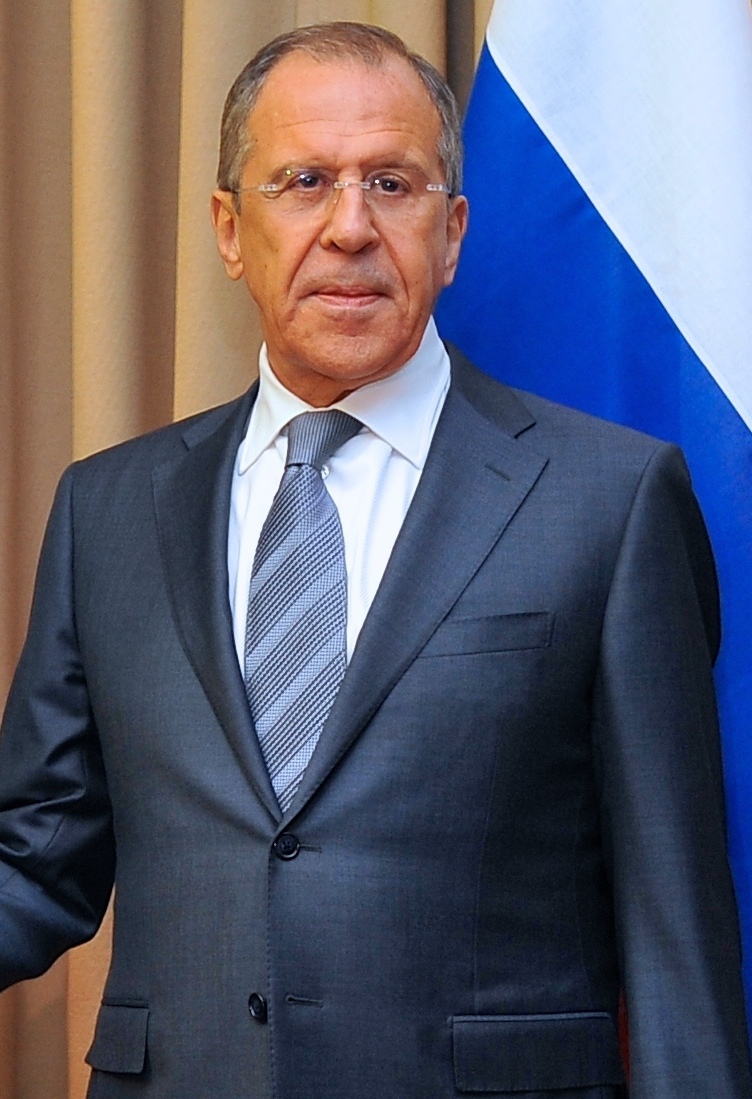
Russian Foreign Minister Sergei Lavrov has rejected accusations that Moscow’s air strikes in Syria are aimed at targets other than the Islamic State of Iraq and the Levant (ISIL) group and have hit civilians.
“The rumours that the target of these air strikes are not ISIL positions are unfounded,” he told journalists after meeting US counterpart John Kerry in New York on Thursday, adding that he has “no data” on civilian casualties.
Only to scroll down a page and fine this other, slightly later, Al Jazeera piece:
Russia acknowledged on Thursday that it is targeting a list of well-known armed groups in Syria, not only the Islamic State in Iraq and the Levant (ISIL), as it continues a second day of airstrikes after the launch of an aerial campaign that has opened up a volatile new phase in the conflict.
Moscow had previously framed its campaign as primarily aimed at ISIL, saying it feared that Russian and other ex-Soviet citizens who belong to the armed group would shift their focus to their home countries if they were not stopped in Syria.
But on Thursday, after the United States and other rebel groups on the ground suggested Russian strikes had so far not focused on ISIL, it said its operation was pitched more broadly.
“These organizations (on the target list) are well-known, and the targets are chosen in coordination with the armed forces of Syria,” Kremlin spokesman Dmitry Peskov told reporters, when asked if Russia and the West had different views on what constituted a “terrorist” group.
This all gets back to something I said yesterday, which is that Russia really doesn’t make an operational distinction between ISIS and “everybody else fighting Assad.” They might talk about ISIS over here and about “Islamic extremism” over there and about something else in Damascus, but it’s all pretty much the same problem for them in that these groups are all trying to muck up Moscow’s good thing in Syria, they all (or close enough to all) offer opportunities for would-be jihadis from the north Caucasus to get some OTJ training in waging an insurgency, and their insurgency/rebellion spun out of the Arab Spring movement, which was always way too populist for Putin’s taste.
Anyway, lest there be any further doubt about what Russia is or isn’t doing in Syria, Peskov said in plain language (for a diplomatic spokesperson) that the Russians will be bombing pretty much whichever groups Assad needs them to bomb.
It’s worth asking whether or not whatever Russia does can really make much difference in the course of the war. I realize that this story has consumed a significant share of the news internet tubes over the past couple of days (including here, I admit, though in my defense I studied both Russia and the Middle East at various times in my abnormally long academic career, so this kind of thing is like catnip to me), but is it going to matter in the long run? It’s virtually impossible to imagine that Russia, with its struggling economy and clear lack of public enthusiasm for the mission, can sustain an operation of enough intensity and duration to pull Assad out of the death-spiral he’s been in for months now.
Yes, Russian air defenses can protect Assad from US coalition airstrikes, but the coalition hasn’t shown the slightest interest in striking Assad and yet Assad is losing the war anyway. The Russians can probably keep Assad propped up for a little while longer, and probably ensure that they have a seat at the table if a political transition is ever achieved, but what they can mostly do is make things in Syria even, if only incrementally, worse for the Syrian people (which is not to absolve the US and its coalition of responsibility for doing exactly the same thing, but more bombing is more bombing, and that means more dead, wounded, and displaced people). That’s the real reason (apart from the need to make sure there’s no incident involving Russian and US planes) why it matters where and whom the Russians are bombing (and what kind of bombs they’re using); it’s not how their entry into the fight might change the strategic catastrophe picture, but how many extra people it’s going to kill.
Hey, thanks for reading! If you come here often, and you like what I do, would you please consider contributing something (sorry, that page is a work in progress) to keeping this place running and me out of debtor’s prison? Also, while you’re out there on the internet tubes, please consider liking this blog’s Facebook page and following me on Twitter! Thank you!

 The Foreign Exchanges Companion